
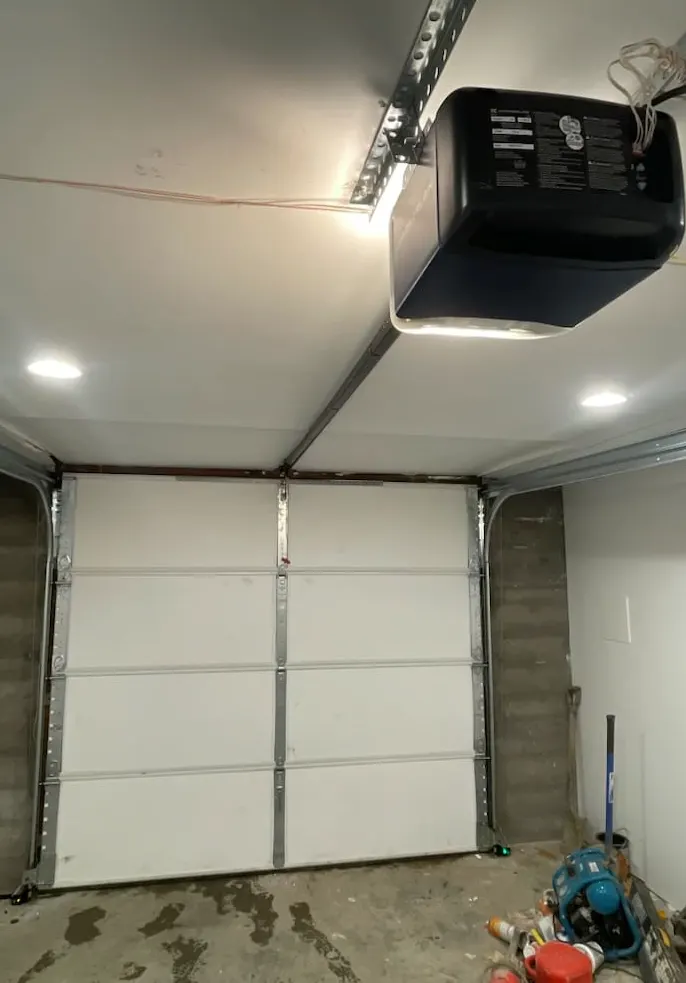
The short answer: most garage door injuries to children and pets happen because the auto-reverse safety sensors are dirty, misaligned, or ignored, and because little hands or paws get caught at the panel joints while the door is moving. Both problems are fixable in under an hour, and both are easy to overlook until something goes wrong.
What Actually Goes Wrong
A garage door looks like a simple panel that goes up and down, but it's one of the heaviest moving objects in a typical Haines City home — often 150 to 400 pounds, moving on springs wound tight enough to lift that weight on command. When something interrupts the system, it rarely fails gently.
- Photo-eye sensors get knocked out of alignment or coated in grime. These are the two small sensors near the floor on either side of the track. If they're not aimed at each other precisely, the door won't reverse when something — or someone — is in its path. Florida's humidity speeds up the dust-and-moisture film that builds on the lenses, especially in garages that stay open during afternoon downpours.
- Auto-reverse stops working and nobody notices. This safety feature is supposed to make the door bounce back up if it meets resistance on the way down. If it's never tested, a worn switch or a sensor that's "close enough" can go unnoticed for months.
- Fingers and paws get caught at the panel joints. As a sectional door closes, the horizontal seams between panels pinch together. A curious toddler or a dog's paw resting near the bottom section is at real risk the moment the door starts moving.
- Springs and cables let go under tension. A torsion spring stores enormous energy to counterbalance the door's weight. When one snaps — which happens more often in homes where moisture has caused rust on the coils — it can whip violently. Kids and pets in the garage at the wrong moment are in the blast radius.
- Remotes and keypads become toys. Clip-on remotes left in a stroller, a golf cart, or a kid's backpack can trigger the door unexpectedly, especially with openers that don't require a hold-to-close input.
How Bad It Gets
The outcomes range from a scared kid who gets a good scare and a bruise, to crushed fingers at the panel seams, to serious injury or worse when a child or pet is caught under a closing door that doesn't reverse. Pets are especially vulnerable because they're low to the ground, quiet, and fast — they can dart under a door that's already moving before anyone reacts. Spring and cable failures are rarer but far more violent when they happen, and they tend to happen without warning, often right as someone walks past.
The Specific Actions That Prevent It
- Test auto-reverse monthly. Place a roll of paper towels or a 2x4 on the ground in the door's path and close it. The door should reverse immediately on contact. If it doesn't, stop using the opener until it's repaired.
- Clean and align the photo-eye sensors. Wipe both lenses with a soft cloth and check that the indicator lights on each sensor are solid, not blinking. Blinking usually means misalignment — a five-minute fix that prevents a serious miss.
- Keep remotes and keypad codes out of reach. Store wall-mounted openers at least five feet up, out of a toddler's reach, and don't let kids treat clip-on remotes as toys.
- Set a hard rule: no playing near a moving door. This sounds obvious, but garages are where kids ride bikes, bounce balls, and chase pets — exactly where the door's pinch points are.
- Watch pets during storm season. Dogs and cats often bolt for the garage during Florida's hurricane-season thunderstorms and sudden afternoon downpours. Make sure anyone closing the door does a visual sweep first, every time.
- Check panels for finger-pinch guards. Newer doors often have pinch-resistant panel designs; older ones don't. If your door is older and panels have narrow gaps at the joints, this is worth discussing with a technician.
- Don't ignore rust on springs or cables. Coastal salt air and humidity accelerate corrosion. A spring that looks flaky or a cable with visible fraying is a failure waiting to happen, not a cosmetic issue.
When to Call Haines City Garage Door Pro
If your auto-reverse test fails, if a spring looks rusted or frayed, or if the door has ever closed on something without stopping, it's time to call. We handle Garage Door Spring Repair for doors showing wear from Polk County humidity and salt air, and we offer Preventive Maintenance & Tune-Up visits that check sensor alignment, cable condition, and auto-reverse function in one visit — the kind of check that catches a safety issue before it becomes an injury. We'll explain exactly what we find, in plain language, before we touch anything.
If you have kids or pets at home anywhere from Haines City to Davenport, Winter Haven, or Auburndale, give Haines City Garage Door Pro a call today and let's make sure your garage door is doing its job safely.